Introduction: Understanding Chronic Insomnia
Chronic insomnia, defined as difficulty falling or staying asleep at least three nights per week for three months or more, affects approximately 12% of Americans, according to the American Academy of Sleep Medicine. Far beyond a mere annoyance, this condition leads to daytime fatigue, irritability, depression, and reduced motivation, with serious consequences such as accidents, lost productivity, and compromised physical and mental health. In a personal account published in the August 2025 edition of The Atlantic, staff writer Jennifer Senior shares her decades-long struggle with insomnia and her search for effective remedies. This article expands on her insights, drawing from her interview with PBS NewsHour’s John Yang, recent research, and expert recommendations to explore the experience of insomnia, its broader implications as a national health emergency, and evidence-based strategies for managing it.
The Experience of Chronic Insomnia
The Emotional and Physical Toll
Jennifer Senior vividly describes the loneliness of lying awake at night, unable to sleep. Initially perplexing, insomnia often becomes anxiety-inducing, as the inability to rest fuels worry about the next day’s consequences. The resulting daytime effects are profound: exhaustion, emotional dysregulation, irritability, and a pervasive sense of being “worn out.” Over time, accumulated sleep deprivation increases vulnerability to physical illnesses, such as infections, and mental health conditions, including depression and anxiety. Senior notes that this fatigue can erode one’s quality of life, making even routine tasks feel overwhelming.
Research supports Senior’s account. The National Institute of Health (NIH) reports that chronic insomnia is associated with a higher risk of cardiovascular disease, diabetes, and weakened immune function. The Centers for Disease Control and Prevention (CDC) estimates that sleep deprivation contributes to 1.2 million motor vehicle crashes annually in the U.S., highlighting its public safety implications. For individuals, the emotional toll—feelings of isolation, frustration, and despair—can be as debilitating as the physical effects.

The Bidirectional Relationship with Depression
A common misconception is that depression primarily causes insomnia. However, Senior highlights a growing body of evidence suggesting that insomnia is not just a symptom of depression but also a significant predictor of it. Studies indicate that individuals with chronic insomnia are up to three times more likely to develop depression than those without sleep issues. This bidirectional relationship means that insomnia can both result from and contribute to depressive symptoms, creating a vicious cycle.
For example, a 2023 study in Sleep Medicine Reviews found that insomnia often precedes depression in 70% of cases, with sleep disturbances disrupting emotional regulation and increasing vulnerability to mood disorders. Senior’s experience reflects this, as she notes that insomnia “makes you depressed for sure,” underscoring the need to address sleep issues early to mitigate mental health risks.
Challenging Sleep Dogma
The Myth of Eight Hours
One of the most pervasive pieces of sleep dogma is the idea that everyone needs eight hours of sleep per night. Senior cites research challenging this notion, with multiple studies suggesting that 6.5 to 7.4 hours may be optimal for many adults. A 2024 meta-analysis in Sleep found that seven hours of sleep is associated with the lowest mortality risk, with both shorter and longer durations linked to adverse health outcomes. However, individual sleep needs vary based on genetics, age, and lifestyle, and these needs may change over a lifetime.
This variability complicates blanket recommendations. For instance, older adults may naturally require less sleep, while younger individuals or those with high physical or mental demands may need more. Senior cautions that while eight hours is not inherently “wrong,” fixating on it can create unnecessary anxiety for insomniacs who fall short of this target.

Other Misconceptions
Beyond the eight-hour myth, other sleep-related dogmas warrant scrutiny. For example, the belief that alcohol aids sleep is misleading; while it may induce drowsiness, it disrupts sleep architecture, reducing REM sleep and leading to poorer rest. Similarly, the idea that “catching up” on sleep during weekends can fully compensate for chronic sleep debt is flawed, as irregular sleep patterns can further disrupt circadian rhythms. These misconceptions highlight the need for evidence-based education to guide individuals toward healthier sleep practices.
Insomnia as a National Health Emergency
Societal Factors Disrupting Sleep
Senior describes sleep deprivation as a “national health emergency” that is often overlooked. Several societal factors contribute to this crisis:
- Nonstandard Work Hours: Approximately 16.4% of Americans work nonstandard hours, such as graveyard shifts, which disrupt circadian rhythms. The Bureau of Labor Statistics reports that shift workers are at higher risk for sleep disorders and related health issues.
- Multiple Jobs and Economic Pressures: Many Americans, including single parents, work second jobs to make ends meet, leaving little time for rest. The gig economy and rising costs exacerbate this issue, particularly for low-income households.
- Blurring Work-Life Boundaries: For white-collar professionals, the dissolution of boundaries between work and home—accelerated by remote work and constant connectivity—makes it harder to disconnect and sleep. A 2024 survey by the American Psychological Association found that 60% of workers report work-related stress impacting their sleep.
- Electrification and Technology: Senior notes that widespread electrification over a century ago disrupted natural sleep patterns by extending artificial light exposure. Modern technology, particularly blue light from screens, further suppresses melatonin production, delaying sleep onset.
These factors collectively create an environment where restful sleep is increasingly elusive, contributing to widespread sleep deprivation and its associated health and economic costs.
Economic and Public Health Consequences
The CDC estimates that insufficient sleep costs the U.S. economy $411 billion annually in lost productivity, healthcare expenses, and workplace accidents. Chronic insomnia is linked to higher rates of absenteeism, reduced cognitive performance, and increased healthcare utilization. For example, a 2025 report by the National Sleep Foundation found that individuals with insomnia are 2.5 times more likely to visit a doctor or hospital than those without sleep issues. This burden underscores the urgency of addressing insomnia as a public health priority.
Remedies and Therapies for Insomnia
Senior’s Personal Journey
Senior’s decades-long struggle with insomnia led her to try a wide range of remedies, reflecting the desperation many insomniacs feel. Her attempts included:
- Alternative Therapies: Acupuncture, acupressure, meditation tapes, and deep breathing exercises, which provided limited relief.
- Physical Activity: Vigorous exercise to induce fatigue, though this was insufficient to overcome her insomnia.
- Neurofeedback and Biofeedback: Techniques aimed at regulating brain activity and physiological responses, which were experimental but not consistently effective.
- Cognitive Behavioral Therapy for Insomnia (CBT-I): Eventually, Senior turned to CBT-I, which she describes as the “gold standard” for treating insomnia.
- Medication: Under medical supervision, Senior used sleep medications to help regulate her sleep patterns, though she approached this cautiously due to potential dependency risks.
Her journey highlights the trial-and-error nature of managing chronic insomnia and the importance of finding evidence-based solutions.
Cognitive Behavioral Therapy for Insomnia (CBT-I)
CBT-I is widely recognized as the most effective non-pharmacological treatment for chronic insomnia. It involves several components:
- Sleep Restriction Therapy: Limiting time in bed to build sleep pressure, which can initially be challenging but increases sleep efficiency over time. For example, a person who spends eight hours in bed but sleeps only five might restrict their time in bed to 5.5 hours, gradually increasing as sleep improves.
- Stimulus Control: Strengthening the association between the bed and sleep by avoiding non-sleep activities (e.g., watching TV) in bed.
- Cognitive Restructuring: Addressing anxiety-provoking thoughts about sleep, such as “I’ll never fall asleep,” to reduce stress.
- Sleep Hygiene Education: Promoting habits like maintaining a consistent sleep schedule, avoiding caffeine late in the day, and minimizing screen time before bed.
A 2023 meta-analysis in The Lancet found that CBT-I improves sleep onset latency, total sleep time, and sleep efficiency in 70-80% of patients, with effects lasting up to a year. Senior notes that CBT-I is underutilized, partly because many people are unaware of it and partly due to a shortage of trained practitioners.
Online and App-Based CBT-I
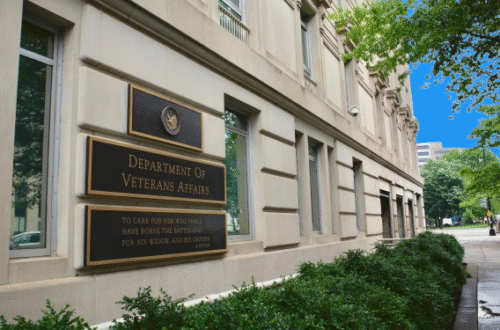
For those unable to access in-person CBT-I, online programs and apps offer viable alternatives. Senior mentions programs developed by the U.S. military and the Department of Veterans Affairs, such as the VA’s Path to Better Sleep course, which includes sleep restriction therapy and other CBT-I components. Apps like Sleepio and SHUTi have also shown efficacy in clinical trials, reducing insomnia severity by up to 50% in some users. These tools are particularly valuable for addressing access barriers, though they require discipline and may not suit everyone.
Medication as a Tool
Senior advises against fearing medication under a doctor’s supervision, as it can help “plop your body back on a rail” by restoring a regular sleep pattern. Common medications for insomnia include benzodiazepines (e.g., lorazepam), non-benzodiazepine hypnotics (e.g., zolpidem), and melatonin receptor agonists. However, these carry risks of dependency and side effects, such as daytime drowsiness or cognitive impairment. A 2024 guideline from the American Academy of Sleep Medicine recommends using medications short-term and in conjunction with CBT-I for optimal outcomes.
Why People Delay Seeking Help
Senior highlights a troubling trend: many insomniacs wait up to 10 years before seeking professional help. This delay is often due to:
- Lack of Awareness: Many are unaware of CBT-I or believe insomnia is a personal failing rather than a treatable condition.
- Access Barriers: There are too few CBT-I practitioners, with waitlists often stretching months. Rural areas and underserved communities face particular challenges.
- Stigma and Misconceptions: Some view seeking help as a sign of weakness or assume insomnia will resolve on its own.
Senior urges those struggling with insomnia to seek help early, emphasizing that CBT-I and, when necessary, medication can significantly improve quality of life.
Recommendations for Addressing Insomnia
For Individuals
- Seek CBT-I Early: Explore CBT-I through a practitioner, online programs, or apps like Sleepio or the VA’s Path to Better Sleep. Look for programs that include sleep restriction therapy, as this is a key component of effective treatment.
- Consult a Doctor About Medication: If non-pharmacological approaches are insufficient, discuss short-term medication with a healthcare provider to avoid dependency risks.
- Adopt Sleep Hygiene Practices: Maintain a consistent sleep schedule, limit caffeine and alcohol, reduce screen time before bed, and create a relaxing bedroom environment.
- Address Underlying Issues: Since insomnia is often linked to stress, anxiety, or depression, consider therapy or counseling to tackle root causes.
For Policymakers and Healthcare Systems
- Increase Access to CBT-I: Train more practitioners in CBT-I and expand telehealth options to reach underserved populations. Public health campaigns can raise awareness about CBT-I’s effectiveness.
- Address Societal Sleep Barriers: Implement policies to support workers with nonstandard hours, such as flexible scheduling or wellness programs. Regulate workplace expectations to reduce after-hours connectivity for white-collar professionals.
- Promote Public Education: Integrate sleep health education into school curricula and community programs to combat misconceptions and encourage early intervention.
For Employers
- Support Employee Sleep Health: Offer wellness programs that include sleep education and access to CBT-I resources. Flexible work hours and limits on after-hours communication can help employees prioritize rest.
- Address Shift Work Challenges: Provide nap rooms, circadian-friendly lighting, and scheduling adjustments for shift workers to mitigate sleep disruption.
Broader Implications: Insomnia as a Public Health Crisis
The societal factors contributing to insomnia—nonstandard work hours, economic pressures, blurred work-life boundaries, and technology overuse—require a collective response. The CDC’s estimate of $411 billion in annual economic losses underscores the urgency of addressing sleep deprivation. Left unchecked, chronic insomnia will continue to strain healthcare systems, reduce workplace productivity, and exacerbate mental health challenges.
Moreover, the bidirectional link between insomnia and depression highlights the need for integrated mental health and sleep care. By prioritizing insomnia as a public health issue, policymakers can reduce its ripple effects on physical health, safety, and economic well-being. Senior’s call to action—don’t wait 10 years to seek help—serves as a reminder that individual and systemic efforts are both critical to tackling this hidden crisis.